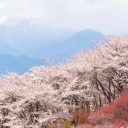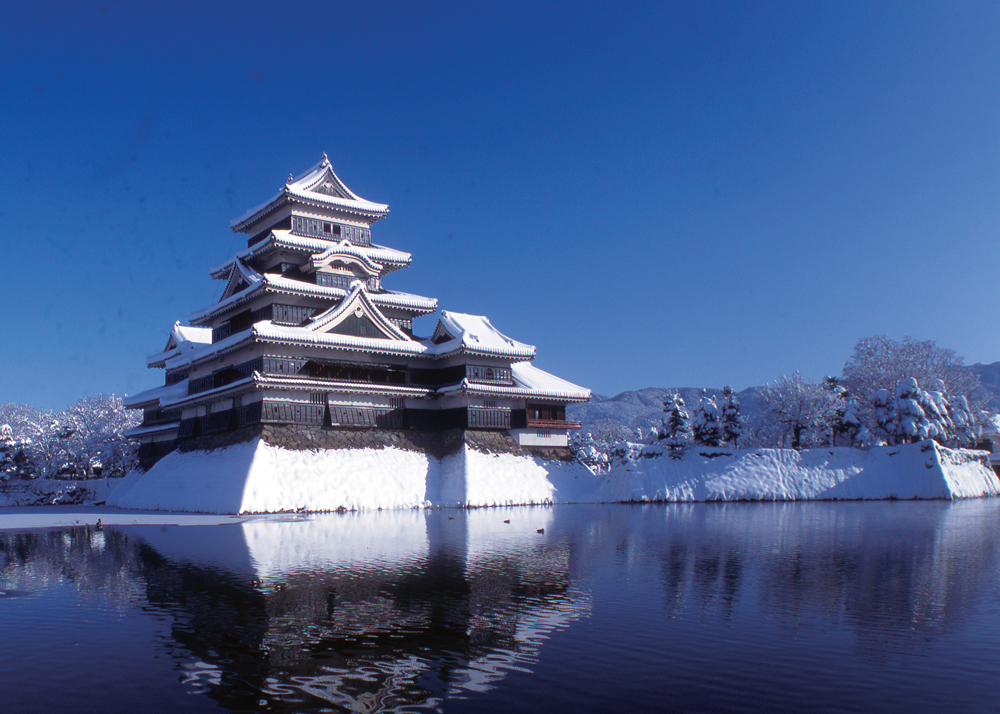
Located in the heart of Nagano Prefecture, Matsumoto is surrounded by the majestic Northern Alps. It is a city where the blessings of abundant nature harmonise with the rich history of a flourishing castle town. Compared to major destinations such as Kyoto or Tokyo, Matsumoto may be less familiar to Australian and other English-speaking travellers. Yet, once you visit, you will surely be captivated by its unique charm.
Matsumoto is compact and walkable— see “Getting there & getting around” below for easy transport options. This ease of access is a major advantage for international travellers who want to enjoy sightseeing efficiently within a busy travel schedule. In this article, we introduce the history, culture, cuisine, and practical travel tips that will help you get the most out of your visit to Matsumoto.
History and art at the heart of the city
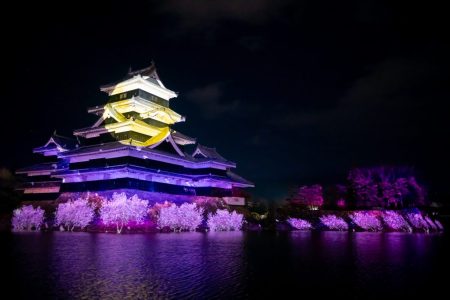
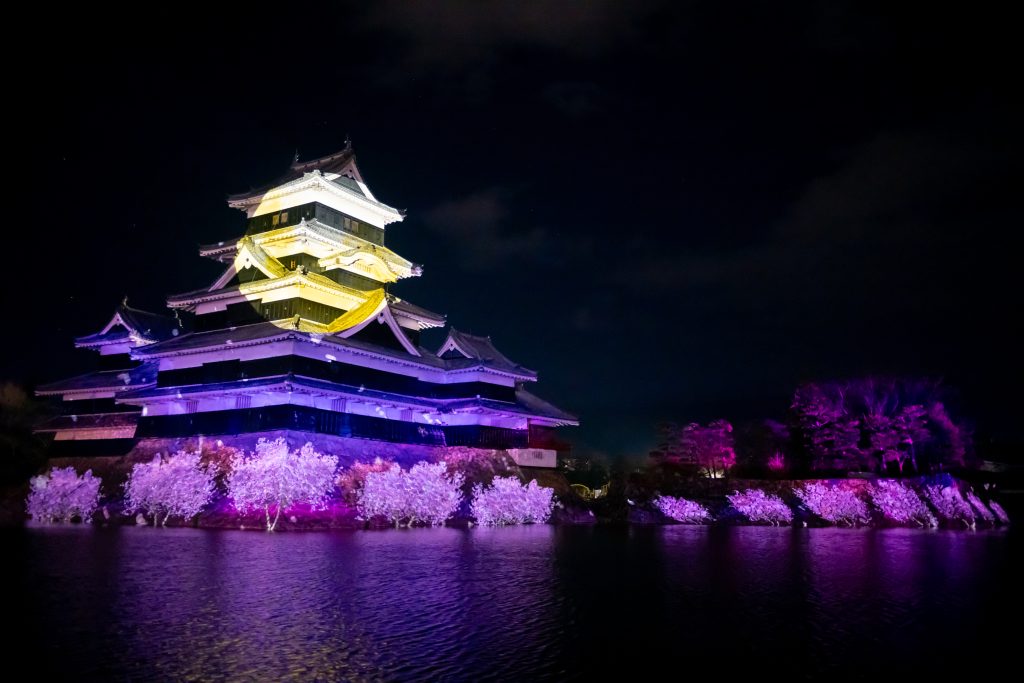
The highlight of any trip to Matsumoto is undoubtedly Matsumoto Castle, a National Treasure of Japan. It is the oldest surviving five-storey, six-floor donjon in Japan, and from December to February, the castle tower is also illuminated with projection mapping that showcases Matsumoto’s rich history and culture. Inside, steep wooden staircases preserve the atmosphere of centuries past. From the top, visitors can enjoy a breathtaking panorama of the city below with the Northern Alps rising dramatically in the background.
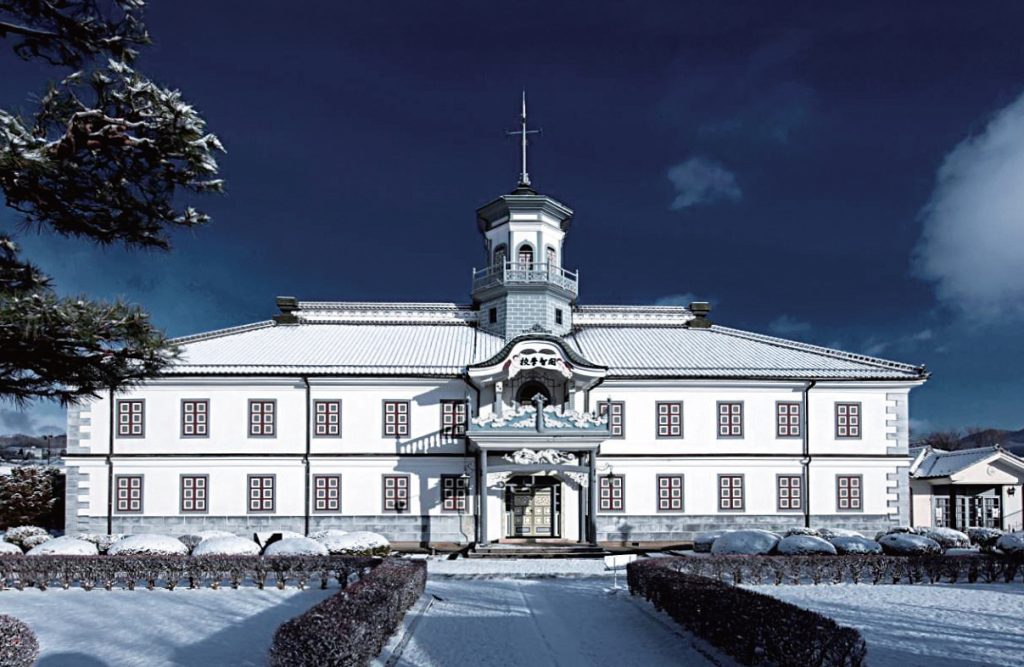
Just a short walk away lies the Former Kaichi School—the city’s other National Treasure. Built in the early Meiji era, this pseudo-Western schoolhouse reflects Japan’s shift into modern education and is admired for its distinctive design.
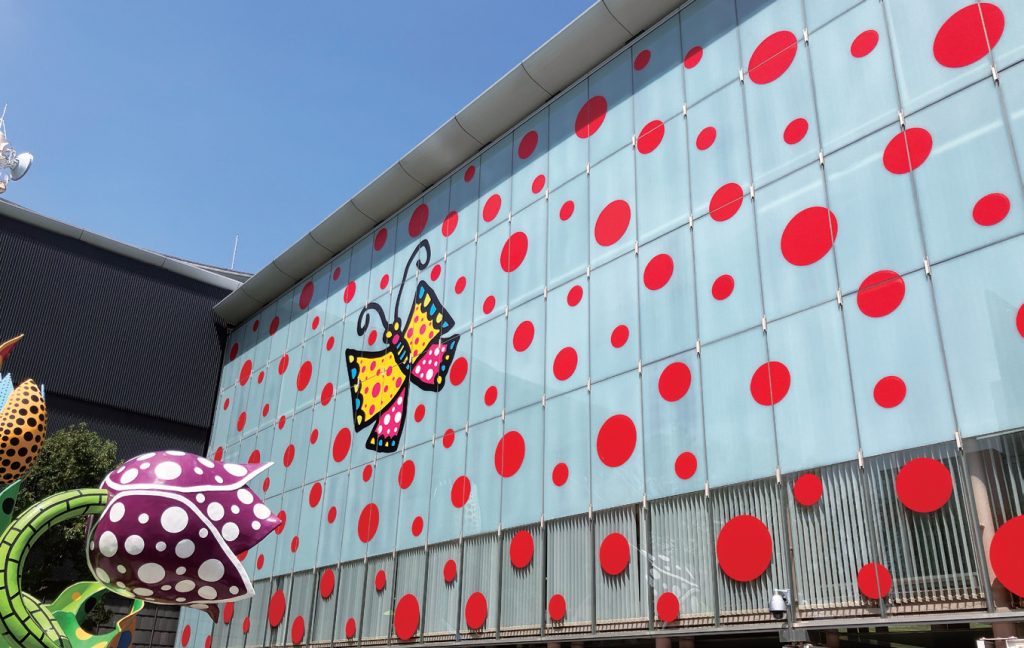
Matsumoto is also known as a “City of Art.” It is the birthplace of world renowned artist Yayoi Kusama, famous for her polka-dot motifs. The Matsumoto City Museum of Art features a permanent collection of her works, with colourful outdoor installations that have become popular photo spots for visitors.
For those who enjoy strolling, Nawate Street and Nakamachi Street are must sees. Nawate Street, along the Metoba River south of the castle, is a retro-style shopping street filled with unique frog themed shops. The frog became a symbol of efforts to restore the river and townscape to their former beauty—so clean and pure that kajika frogs, which once lived in the nearby Metoba River and can survive only in pristine waters, might return again one day. In contrast, Nakamachi Street is lined with traditional warehouses with white plaster and black lattice walls. The street is now home to folk craft shops, cafés, and artisan boutiques, offering a glimpse into Matsumoto’s distinctive culture. Art enthusiasts should also consider a trip to the Japan Ukiyo-e Museum on the city’s outskirts. With its vast collection of Edo-period woodblock prints, it provides deep insight into Japan’s traditional artistic heritage.
Matsumoto’s flavours: the bounty of Shinshu
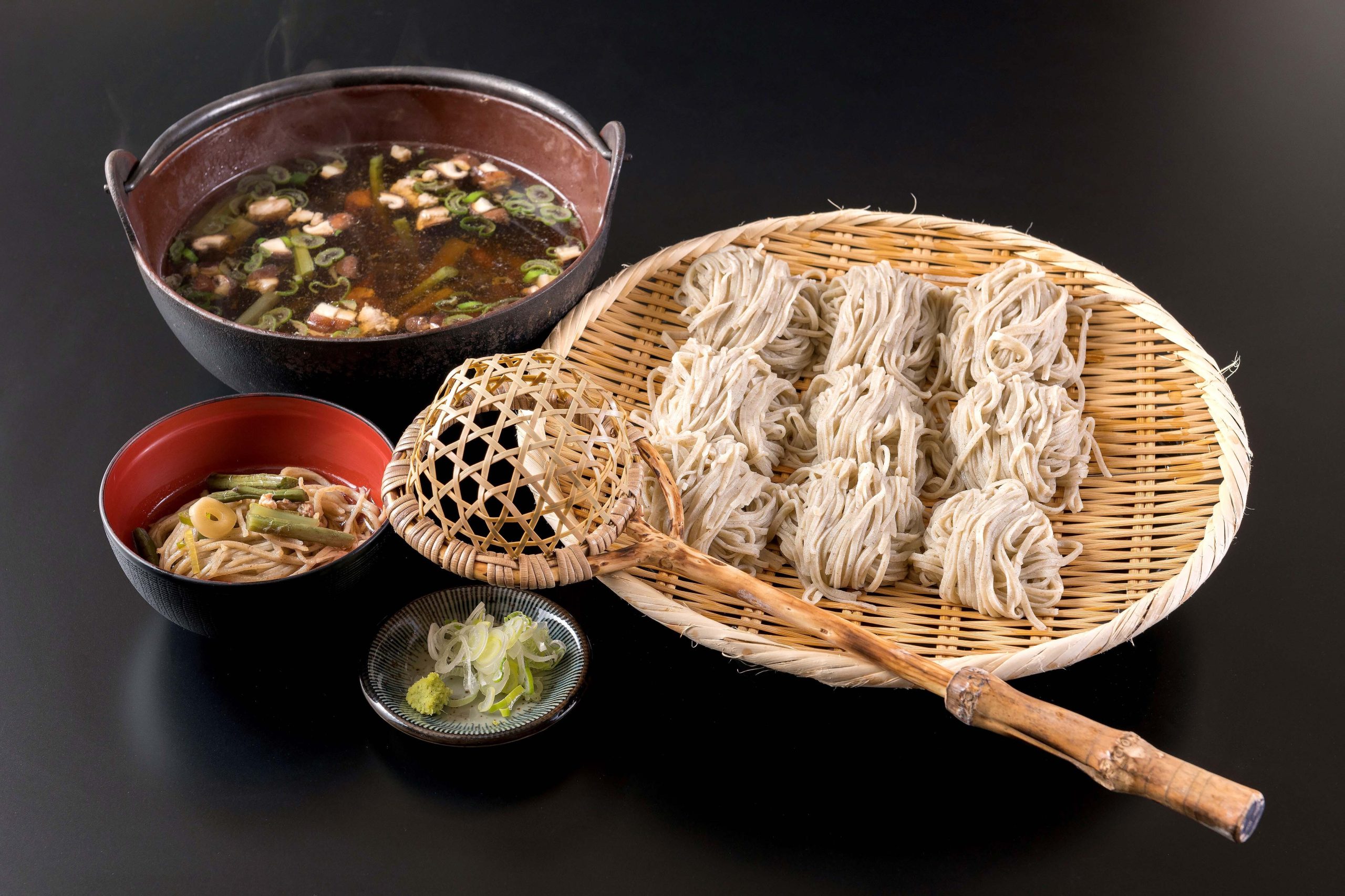
Nagano Prefecture is blessed with an abundance of natural ingredients, and Matsumoto is a wonderful place to taste them. A must-try is Shinshu soba, made with buckwheat nurtured in the region’s cool climate and clear waters. Whether served chilled with dipping sauce or in a hot broth, soba is a quintessential flavour of the area.
Another beloved local specialty is oyaki, rustic dumplings made with wheat or buckwheat dough and filled with vegetables, mushrooms, or sweet red bean paste. They are perfect as a snack or light meal.
For meat lovers, horsemeat dishes and Shinshu beef are not to be missed. Locals swear by sanzoku‑yaki, Matsumoto’s signature “bandit-style” fried chicken: thigh pieces marinated in garlicky soy, dusted with flour and fried crisp, typically served over a mound of shredded cabbage. It’s hearty, affordable and pub-friendly—a reliable crowd-pleaser for travellers looking to try a beloved regional dish. Shinshu beef, raised in the region’s pristine natural environment, is known for its fine marbling and rich flavour, best savoured as steak or shabu‑shabu.
Hot springs, alpine landscapes, and winter sports
Just beyond the city, visitors will find some of Japan’s most breathtaking scenery. Kamikochi, part of the Northern Alps, is a particularly famous destination where untouched nature remains intact. The crystal-clear Azusa River flowing beneath the towering Hotaka Range creates scenery as picturesque as a painting.
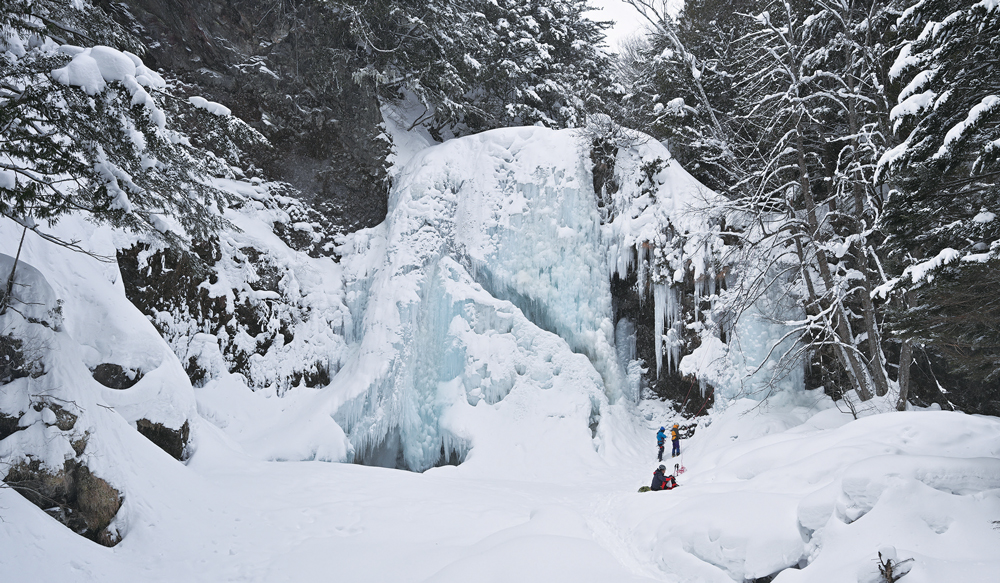
In winter, Norikura Kogen’s Zengoro Falls can freeze into a dramatic icefall (hyōbaku), the cascade forming towering blue-white columns; guided snowshoe walks also run through the area’s quiet forests and meadows (info: norikura.gr.jp/outdoor).
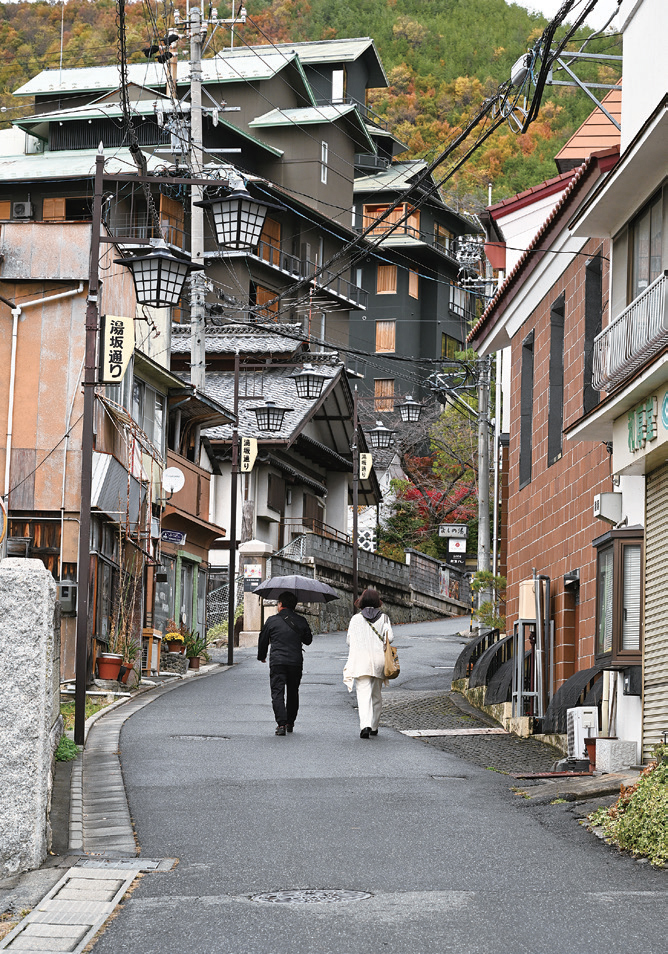
After a day of sightseeing, nothing is better than relaxing in a hot spring. Asama Onsen, located about 20 minutes by bus from downtown Matsumoto, is a historic hot spring district with a history of over 1,300 years. Once serving as the healing retreat for the lords of Matsumoto Castle, it flourished as a place of rest and recovery. Today, modern accommodations blend tradition with contemporary design, offering memorable spa experiences. Dayuse hot spring facilities are also available for casual visits.
Matsumoto also serves as a gateway to some of Japan’s best ski terrain. For Australian travellers, chasing world-class powder during their summer is a major draw. Hakuba—host to the 1998 Winter Olympics—is easily reached by car, bus or train, with an international vibe and varied slopes for all levels. About 70 minutes’ drive from town, Mt Norikura Snow Resort offers light, dry powder and a relaxed, uncrowded atmosphere, making it an ideal choice for families and intermediate riders— especially with free lift passes for those under 18. A winter trip to Matsumoto pairs the charm of a historic castle town with the thrill of skiing or snowboarding in the Alps.
Getting there & getting around
Matsumoto is easy to explore without a car. For short hops between the castle, Nakamachi and the museum district, the Town Sneaker city loop keeps you moving with frequent stops across the compact centre. In winter, a planned seasonal coach will link Matsumoto and Hakuba (Dec–Mar, one round trip daily; timetable TBC), making it simple to pair powder days with culture in the castle town (operator: Alpico Group). There’s also a limited January day tour from Hakuba that bundles art, local food, shopping and the evening projection mapping at Matsumoto Castle into one easy package. Final dates, times and booking links are being confirmed; some pages may be “under construction” during October.
Practical tips: IC cards, such as Suica, are not always accepted on local buses—carry coins for the fare box. A single Town Sneaker ride is about \200 and a day pass around 500 (often with small discounts at attractions). For long distance travel, the Limited Express Azusa connects Shinjuku and Matsumoto in roughly 2. hours; advance online booking is recommended during holiday peaks. English signage can be limited, especially on local transport—translation apps and a friendly hello go a long way.
A unique destination beyond Tokyo and Kyoto
Matsumoto is a place where Japan’s traditional beauty meets contemporary art, where history thrives alongside breathtaking alpine nature. For travellers seeking to go beyond the well-trodden paths of Tokyo and Kyoto, Matsumoto offers an unforgettable journey into the deeper charms of Japan.
Info
Matsumoto Visitor Guide
Transportation
Town Sneaker City Loop
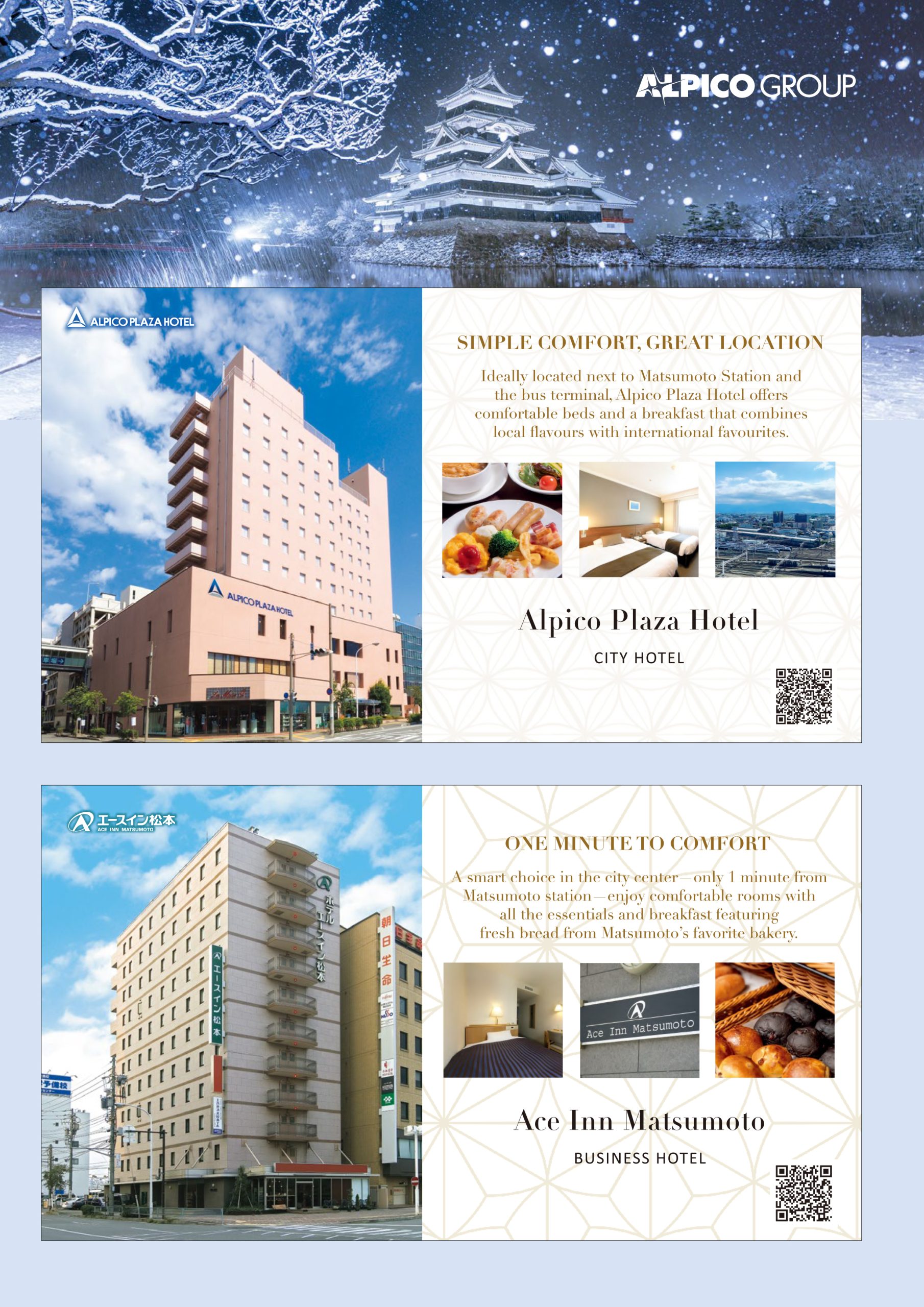
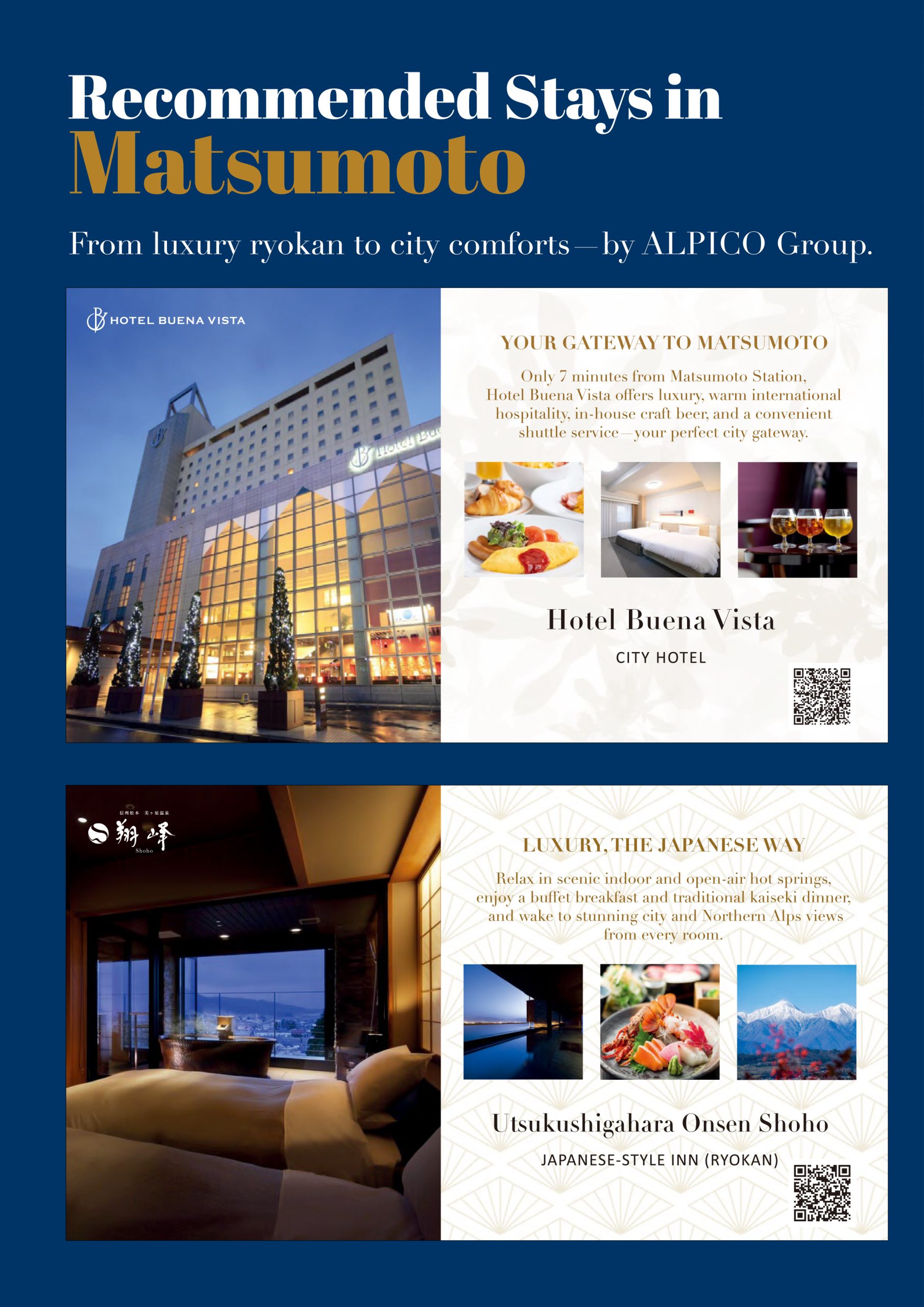
Hotels
Alpico Plaza Hotel
Ace Inn Matsumoto
Hotel Buena Vista
Utsukushigahara Onsen Hotel Shoho